



ONTARIO PARKS

Discover nature. Explore trails. Experience the outdoors.

ONTARIO PARKS

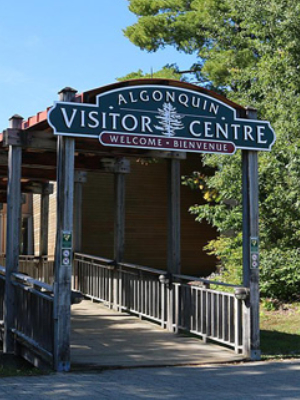
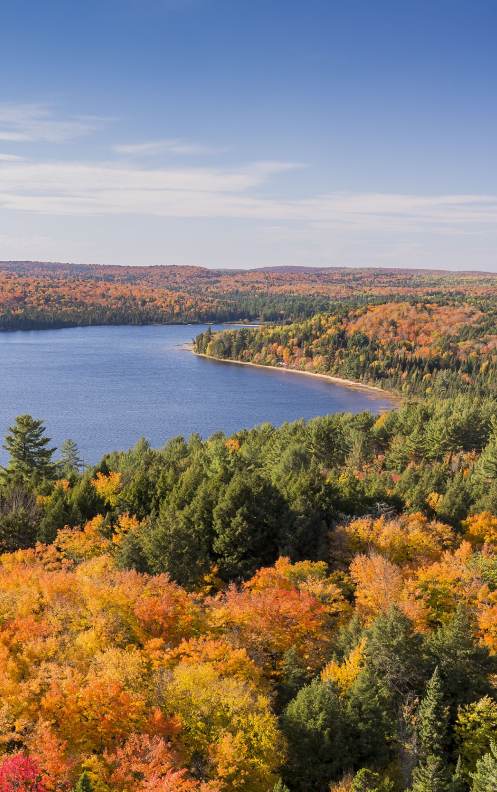
The Ontario Parks system stretches over 125 years. It began in 1893 with the creation of Algonquin Provincial Park. In 1954 the management and creation of provincial parks came under the Department of Lands and Forests.There are now 330 provincial parks comprising 8% of Ontario's landmass which is an area larger (over 82,000 km2) than the Provinces of Nova Scotia and PEI combined.

Click to Explore:
Ontario Provincial Parks History and Organization
Visitor Information, Park Activities and Classifications
North America's Boreal Forest Songbird Nursery
Ontario Provincial Parks History and Organization
Origins Image

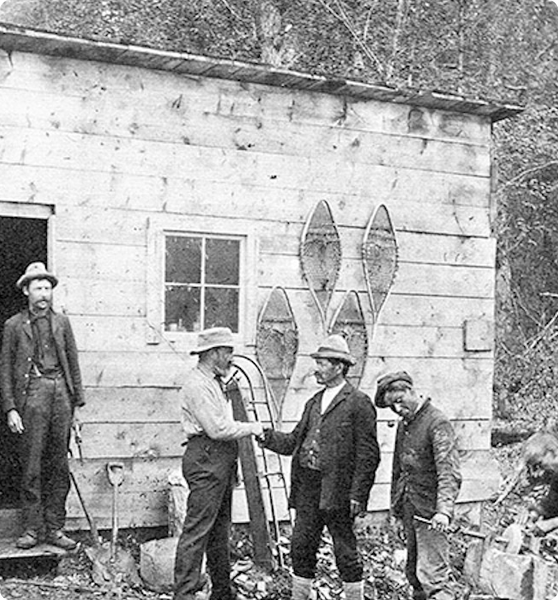
Past (Origins & Growth)

Early beginnings – When the first provincial park (Algonquin, 1893) was established and why (conservation + recreation)

Expansion era – Milestones in the 20th century (more parks created for wildlife, tourism, and cultural heritage)

Historical stats– Number of parks created over time, role of government & public interest
Present Image

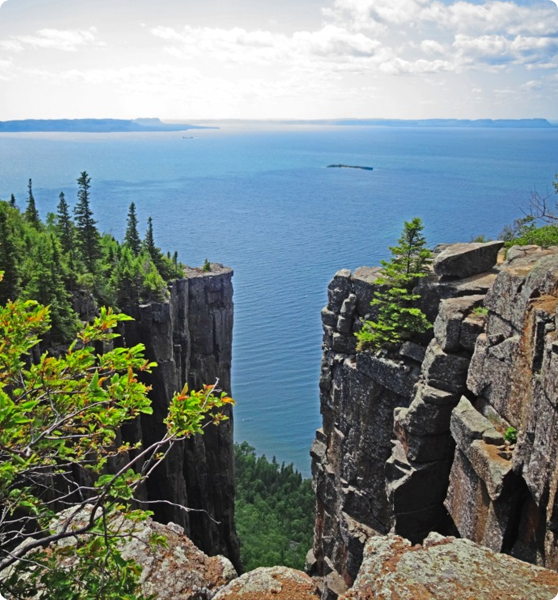
Present (Today’s Organization)

Current scope – Over 330 provincial parks, conserving 9 million hectares of Ontario’s natural beauty and biodiversity.

Categories – Different classes of parks (Natural Environment, Recreation, Cultural Heritage, Wilderness, etc.)

Management – Overseen by Ontario Parks (government agency) under Ministry of Environment, Conservation & Parks.
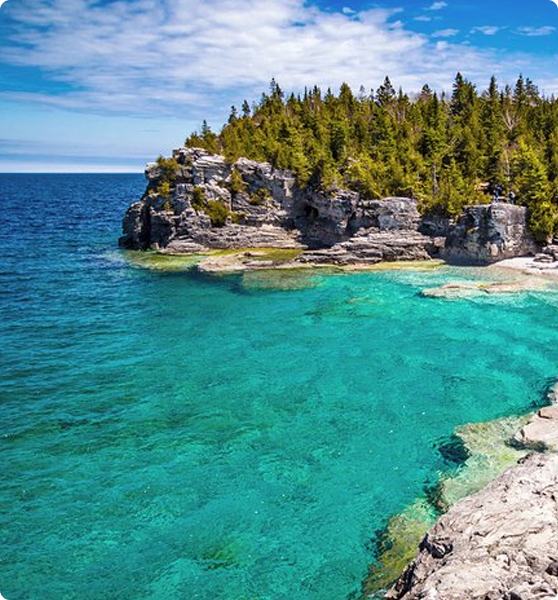
Future Image

Future (Vision & Sustainability)

Conservation goals – Expanding protected areas, addressing climate change, biodiversity preservation

Indigenous partnerships – Working with Indigenous communities on stewardship and co-management.

Eco-tourism & accessibility – Sustainable visitor experiences, digital tools (reservations, learning)
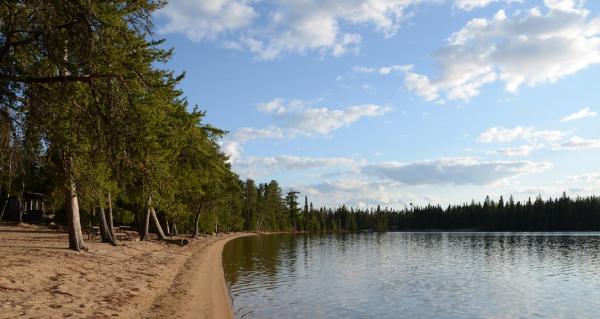
Tap on the links to navigate
Visitor Information, Park Activities and Classifications

Ontario’s Provincial Parks offer unforgettable experiences with helpful visitor information, exciting activities like hiking, paddling, and wildlife viewing, and classifications that range from Recreation to Wilderness—each designed to help you enjoy and connect with Ontario’s natural and cultural heritage.

Use Below Links To Explore

Visitior Information

Plan your visit with essential details on permits, facilities, and safety to enjoy the parks responsibly.

Seasons

Most open May–Oct; some all year.

Permits

Day use & camping reservations required.

Facilities

Campsites, cabins, picnic spots, washrooms

Safety

Fire bans, wildlife awareness, waste rules

Park Activities

From adventure to relaxation, parks offer year-round activities for every interest and age group.

Hiking

Easy walks to challenging trails

Camping

Car, backcountry, or roofed stays

Winter Fun

Skiing, snowshoeing, skating

Fishing and Swimming

Summer favorites

Park Classifications

Ontario Parks are grouped into classes, balancing recreation with protection of nature and heritage.

Wilderness Parks

Large, undeveloped areas for backcountry camping and hiking with minimal impact.

Nature Reserves

Small protected zones for rare species and ecosystems, with limited access.

Cultural Heritage Parks

Historic and archaeological sites with interpretive displays

Recreation Parks

Easily accessible, with beaches, picnic areas, and campgrounds.

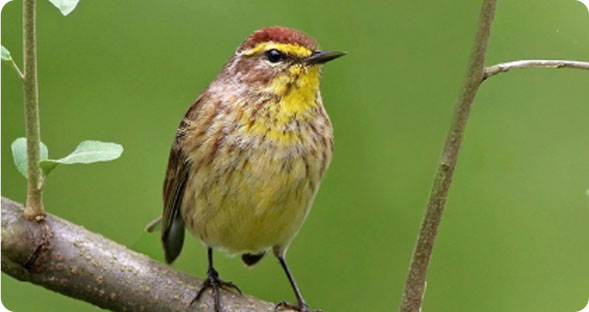
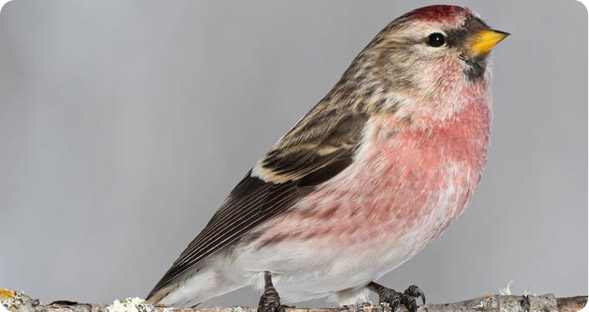
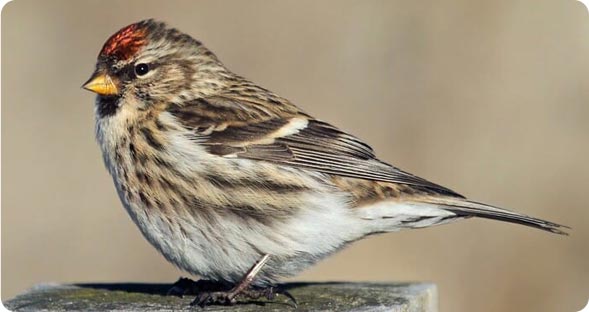
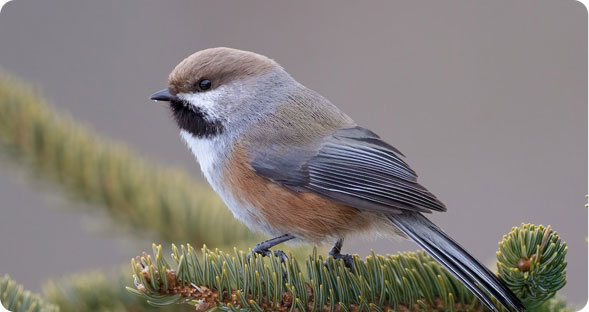
North America’s Boreal Forest Songbird Nursery

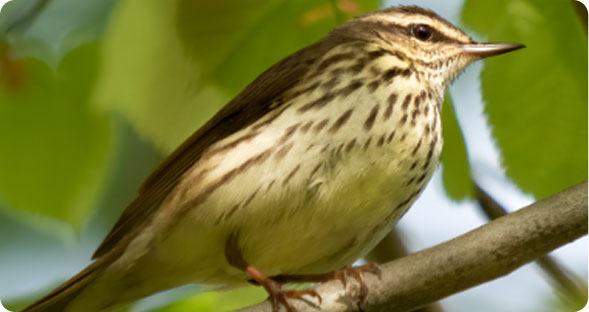
Despite its name, the Northern Waterthrush is a warbler, not a true thrush. It prefers bogs, streams, and forested wetlands, where it constantly bobs its tail as it walks along muddy edges. Its fast, chattering song is a familiar sound in boreal wetlands.

Interesting Facts:
  • Constant tail bobbing
  • Long-distance migrant
  • Loud singer

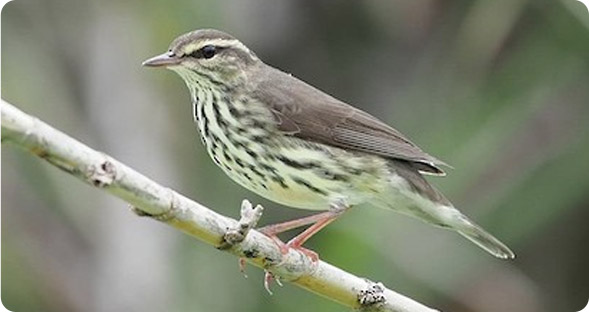
Unlike most warblers, this species constantly pumps its tail as it forages, making it easy to identify. It breeds in open boreal bogs and tamarack stands, building nests on the ground. In spring migration, large numbers pass through southern Canada and the northern U.S.

Interesting Facts:
  • Ground walker
  • Yellow undertail
  • Winter-friendly warbler

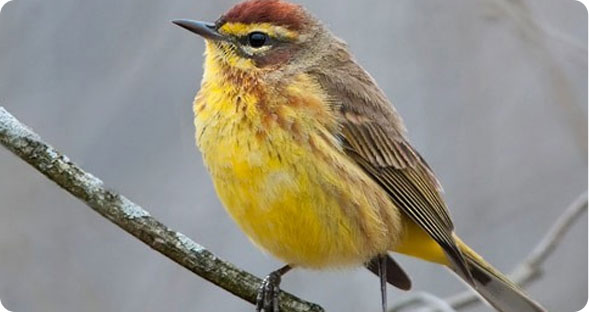
A hardy little finch, the Common Redpoll breeds in the far northern boreal and even the tundra. It has a small red forehead patch and a cheerful, buzzy call. In winter, large flocks roam southward in search of birch and alder seeds, sometimes visiting backyard feeders.

Interesting Facts:
  • Tiny red cap
  • Super social
  • Cold-weather expert

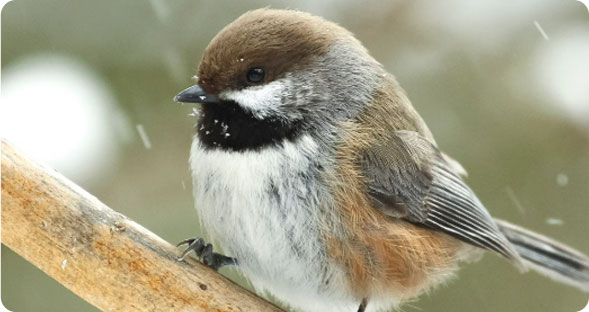
Unlike its black-capped cousin, the Boreal Chickadee has a brown cap and is found almost exclusively in northern conifer forests. A year-round resident, it stores food in bark crevices to survive the long, harsh winters. Its raspy call is a signature sound of the boreal.

Interesting Facts:
  • Shy forest bird
  • Cold adapted
  • Small but tough
Tap on the links to view bird details